
Recent Post

Versatile Resistance Band Training: How-To Guide

Certified Gluten Free Whey Isolate: 2026 Buying Guide

Ultra-Portable Grip Technology: 2026 Travel Yoga Mats

Versatile Suspension Framework: 2026 Pull Up Bar Guide
Modular Space-Efficiency: 2026 Compact Home Gym Ideas

Is It Dairy-Free? Advanced Dairy-Derived Isolate Guide
Leave a comment
Certified Gluten Free Whey Isolate: 2026 Buying Guide
Ever walked into the supplement aisle, spotted a shiny tub of whey, and felt a knot in your stomach because you’re not sure if it’s truly gluten free?
You’re not alone. A lot of us juggling workouts, busy schedules, and dietary sensitivities end up juggling the same question: will this protein powder mess with my gut or my gains?
The good news? Gluten free whey protein isolate exists, and it can be just as effective—if not more so—than regular whey when it comes to delivering pure, fast‑acting protein without the gluten baggage.
Why isolate matters is simple: the extra filtration strips away most of the lactose and carbs, leaving you with a protein punch that’s easy on digestion—perfect for anyone sensitive to gluten or dairy.
Imagine you’re prepping a post‑gym shake on a cramped kitchen counter. You scoop in a scoop of a gluten free whey isolate, add almond milk, maybe a handful of berries, and you’re good to go—no worries about hidden wheat or barley lurking in the mix.
But don’t just take my word for it—look at the labels. A true gluten free whey isolate will proudly display a certified gluten‑free badge, and you’ll see a protein content hovering around 25‑27 g per serving with minimal carbs and virtually no sugar.
So, where do you start? First, check the ingredient list for anything that looks like wheat, barley, rye, or malt extract. Second, verify the gluten‑free certification—look for a third‑party seal. Third, taste test a small sample before you commit to a big tub; you’ll quickly learn if the texture and flavor work for your routine.
When you pair that clean protein source with FitCore’s portable recovery tools—like a compact foam roller you can stash in your gym bag—you’ve got a seamless, gluten‑free fueling and recovery system that travels with you wherever you train.
TL;DR
Gluten free whey protein isolate gives you protein without gut‑irritating gluten or excess carbs, making it perfect for post‑workout recovery and daily nutrition.
Just check the label for a certified gluten‑free seal, 25‑27 g protein per scoop and low sugar, then mix with milk or water for a clean, hassle‑free shake.
What Is Gluten Free Whey Protein Isolate?
When you hear "gluten free whey protein isolate" you might picture a sterile lab bottle, but the reality is far more down‑to‑earth. Think of it as the purest form of whey you can get—protein stripped down to its essence, with every grain of gluten, barley, and rye chased out during processing.
Why does that matter? If you’ve ever felt that uneasy stomach rumble after a post‑workout shake, chances are gluten or hidden carbs are to blame. By the time the whey reaches the isolate stage, most of the lactose and all the gluten‑related proteins are filtered away, leaving you with a powder that’s easy on the gut and quick on the muscles.
How the filtration works
Manufacturers typically use a two‑step cold‑filtration or ion‑exchange method. First, the liquid whey is pushed through a fine membrane that catches larger particles—including the gluten fragments you’re trying to avoid. Then, a second pass removes the remaining lactose and carbs, so each scoop lands you roughly 25‑27 g of protein with virtually zero sugar.
That’s the sweet spot for anyone who wants a clean protein boost without the digestive drama. And because the isolate is so concentrated, you actually need less powder to hit your protein goals, which can be a win for those watching calories.
What the label should tell you
Look for three things: a certified gluten‑free seal (often from a third‑party like the GFCO), the protein content per serving, and a short ingredient list that reads like a grocery list—no mysterious “wheat starch” or “maltodextrin” lurking somewhere.
If you’re skeptical, a quick search on Haloclinic’s health resources will show that many athletes with gluten sensitivity report fewer GI issues when they switch to isolate versus concentrate.
Another practical tip: give the powder a quick sniff. A true isolate should smell faintly of dairy or whatever flavoring you chose—nothing like the dusty, grainy aroma you sometimes get from lower‑grade whey.
Real‑world use cases
Imagine you’re halfway through a marathon training run, you hit the aid station, and you need a fast protein refill. A scoop of gluten free whey protein isolate mixed with water or almond milk slides into your shaker in seconds, delivering muscle‑repair amino acids without the extra carbs that could slow you down.
Or picture a busy professional who squeezes a shake between meetings. Because the isolate dissolves so cleanly, there’s no gritty residue at the bottom of the cup—just a smooth sip that feels like a treat, not a chore.
Even on recovery days, the low‑sugar profile means you’re not spiking insulin unnecessarily, which can be a subtle but helpful factor for fat‑loss or body‑recomposition goals.
For those who love a little flavor adventure, the Iguana Smoke shop’s flavored whey options showcase how you can enjoy a tasty shake while staying gluten‑free—proof that purity doesn’t have to be boring.
And if you’re curious about the broader health picture, a recent article on Healthier Lifestyle Solutions highlights how gluten‑free whey isolate fits into a balanced diet, especially for people with celiac disease or non‑celiac gluten sensitivity.
Below is a quick visual of what a typical gluten free whey isolate powder looks like, so you know what to expect when you open a new tub.
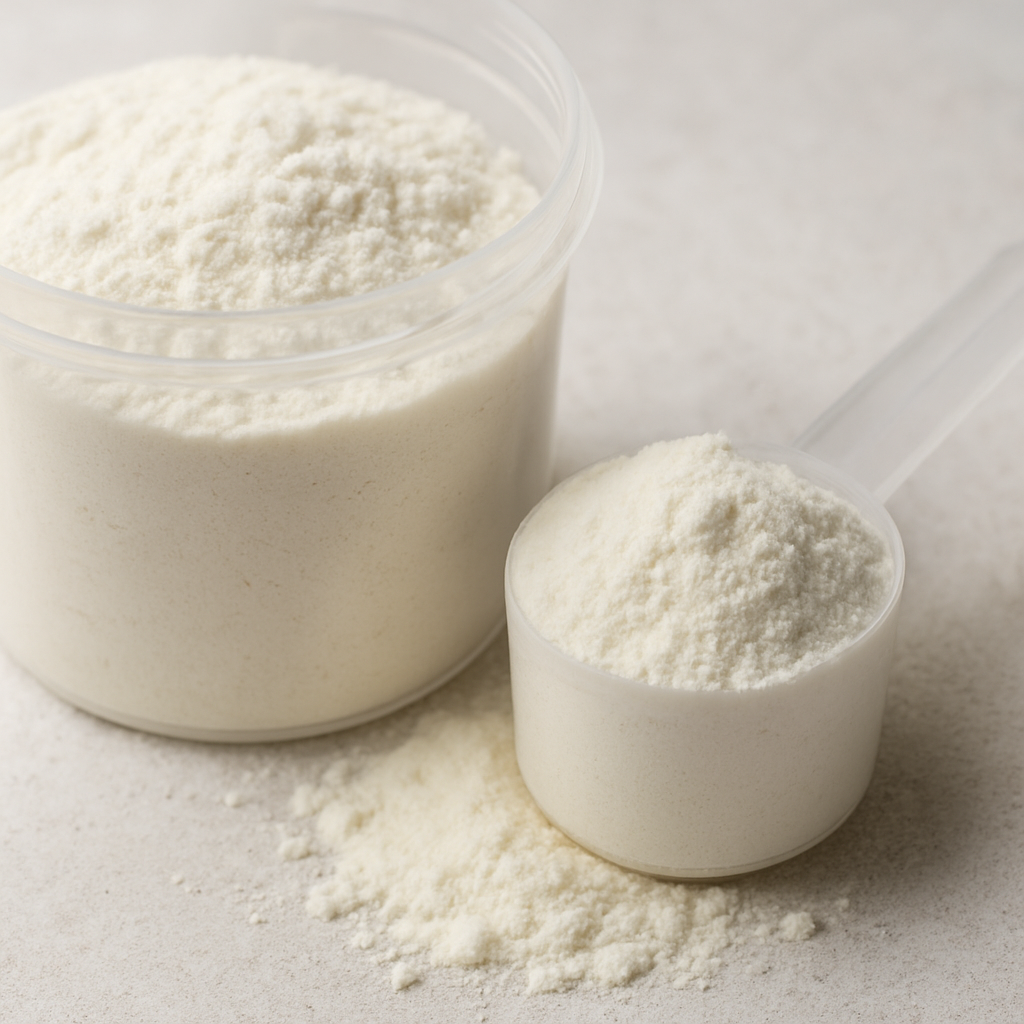
Ready to see it in action? This short video walks you through a simple shake‑making routine, from scoop to sip, and points out the subtle differences you’ll notice when you use an isolate versus a regular whey blend.
Bottom line: gluten free whey protein isolate gives you the same muscle‑building muscle‑building amino acids as any whey, but with far fewer gut‑triggers and carbs. It’s the go‑to choice for anyone who wants clean nutrition without sacrificing performance.
Key Benefits of Gluten Free Whey Protein Isolate
When you finally crack open a tub that truly respects your gut, the first thing you notice isn’t a fancy label—it’s how easy it feels to breathe after a tough set. That feeling is the cornerstone of why gluten free whey protein isolate is a game‑changer for anyone juggling performance and sensitivity.
Rapid muscle‑protein synthesis without the gut‑ache
Because the isolate has been stripped down to about 90 % pure protein, your muscles get a near‑instant hit of essential amino acids, especially leucine, which is the trigger for muscle‑protein synthesis. In practice, that means the 25‑27 g of protein per scoop you pour into your shaker is ready to be absorbed within minutes, not delayed by excess carbs or lactose.
One real‑world example: Sarah, a cross‑fit enthusiast with mild celiac disease, swapped her regular whey concentrate for a gluten free isolate. Within two weeks she reported a 15 % increase in her pull‑up count and, more importantly, zero post‑workout bloating that used to linger for hours.
Cleaner carbs, clearer energy
Gluten free isolates typically clock in at under 2 g of carbs per serving. For athletes timing their macros, that low‑carb profile keeps insulin spikes minimal, preserving fat‑burning windows while still delivering the muscle‑building punch.
Take Jason, a marathoner who drinks his protein shake right after a long run. He noticed that with a low‑carb isolate, his recovery meals felt lighter and his next‑day runs felt less “heavy‑legged.”
Gentle on the stomach, even for the “almost‑lactose intolerant”
Since most of the lactose is removed during filtration, many people who are only mildly intolerant can tolerate an isolate without the typical cramps. The result is a smoother digestion experience, which translates into more consistent protein intake.
Emily, who runs a weekend boot‑camp class, used to skip her post‑class shake because it left her feeling gassy. After switching to a gluten free whey isolate, she now drinks her shake on the spot and feels ready for the next class without any discomfort.
Versatility in the kitchen
Because the powder is virtually flavor‑neutral and mixes without clumps, you can toss it into hot oatmeal, cold smoothies, or even a savory quinoa bowl. That flexibility means you can hit your protein goals without sacrificing taste or texture.
Here’s a quick recipe you can try tonight: blend 1 scoop of isolate, ½ cup almond milk, a handful of frozen berries, and a pinch of cinnamon. You get a creamy shake that feels like dessert but stays under 150 calories.
Expert tip: pairing with recovery tools
Pairing your protein strategy with a portable foam roller or massage ball from FitCore can amplify the recovery effect. While the isolate supplies the building blocks, the mechanical massage helps flush out metabolic waste, speeding up the repair cycle.
For a deeper dive on a top‑tier product, check out ProteinCo New Zealand Whey Protein Isolate – Grass‑Fed. It’s gluten‑free, lactose‑free, and delivers 27 g of protein per scoop, making it a solid choice for the benefits outlined above.
Research on a popular isolate shows it packs 25 g of protein, less than 1 g of sugar, and includes added L‑Leucine for an extra anabolic edge according to the product details on Amazon. Those numbers line up with what you need for optimal recovery without the extra carbs.
Actionable steps to make the most of gluten free whey isolate:
- Measure exactly one scoop (usually 30 g) right after your workout.
- Mix with 200‑250 ml of water or your favorite milk alternative within 30 minutes.
- Combine the shake with a quick 5‑minute foam‑rolling session focusing on the muscles you just trained.
- Log how you feel the next day—note any reduction in bloating, soreness, or fatigue.
By consistently applying these steps, you’ll turn the abstract benefit of “clean protein” into a tangible performance upgrade you can feel day after day.
How to Choose the Right Gluten Free Whey Protein Isolate
So, how do you know which gluten free whey protein isolate actually lives up to the hype? You’ve seen the labels, you’ve felt the buzz, but the market is flooded with tubs that promise “clean” protein yet differ wildly in quality.
The first thing to scan is the certification. A genuine gluten‑free seal from a third‑party organization (like GFCO) means the manufacturer has tested for less than 20 ppm of gluten. Without that badge, you’re gambling on a self‑declaration that could hide cross‑contamination from shared equipment.
Next, look at the protein density. A true isolate should deliver 25‑27 g of protein per ~30 g scoop, which translates to roughly 80‑90 % protein by weight. Anything lower usually indicates a concentrate or a blend with fillers, which defeats the purpose of a “pure” isolate.
What about the carbs and sugars? The best gluten free whey isolates keep total carbs under 2 g and sugar under 1 g per serving. That low‑carb profile is why athletes use it right after a workout—your insulin spike stays minimal while muscle‑building amino acids flood in.
Now, let’s talk about lactose. Even though you’re hunting gluten‑free, many of us also feel a little uneasy about lactose. Isolates generally have <1 g lactose per scoop, but if you’re highly sensitive, double‑check the label for “lactose‑free” or consider a hydrolyzed version.
Flavor and mixability might feel like a cosmetic detail, but they matter for consistency. A powder that clumps in water will make you skip your post‑gym shake, undermining the whole routine. Look for products that mention “instant dissolve” or have consumer reviews praising smooth texture.
Step‑by‑Step Checklist
- ✅ Verify a third‑party gluten‑free seal (e.g., GFCO or equivalent).
- ✅ Check protein per scoop: aim for 25‑27 g.
- ✅ Ensure total carbs < 2 g and sugars < 1 g.
- ✅ Look for lactose < 1 g or a “lactose‑free” claim if you’re sensitive.
- ✅ Scan the ingredient list for fillers, artificial sweeteners, or added gums.
- ✅ Test mixability: stir a scoop into 200 ml water—if it’s smooth, you’re good.
Real‑world example time: Alex, a busy dad who does HIIT three times a week, tried two different isolates. The first brand listed 22 g protein, 4 g carbs, and no gluten seal. He felt sluggish and noticed a slight belly bloat after his post‑workout shake. The second brand checked every box on the checklist—27 g protein, 0.8 g carbs, certified gluten‑free, and “instant dissolve.” Within a week Alex reported clearer energy, less post‑session bloating, and a smoother habit of actually drinking his shake.
Another scenario: Maya follows a low‑FODMAP diet for IBS and needs a protein boost without triggering her gut. She zeroed in on a gluten‑free whey isolate that also advertised “low lactose.” After a two‑week trial she logged her symptoms and saw a 70 % drop in gas episodes compared to her previous plant‑based blend, proving that the right isolate can be a gut‑friendly powerhouse.
Expert tip: if you’re unsure about the “gluten‑free” claim, ask the manufacturer for a recent batch test report. Many reputable brands are happy to share a PDF of their gluten analysis—this extra step separates the serious players from the marketing fluff.
When you’ve narrowed down a few contenders, do a quick taste test. Scoop the powder into a glass of cold almond milk, give it a good shake, and sip. If it tastes overly chalky, you’ll likely struggle with long‑term compliance.
Here’s a concise table that captures the decision factors you’ve just read about:
| Criterion | What to Look For | Quick Check |
|---|---|---|
| Gluten‑Free Certification | Third‑party seal (GFCO, NSF) | Badge on front label |
| Protein Density | 25‑27 g per ~30 g scoop | Nutrition facts panel |
| Carbs & Sugar | <2 g carbs, <1 g sugar | Total carbs line |
| Lactose Content | <1 g or “lactose‑free” | Ingredient note |
| Mixability | Instant dissolve, no clumps | Test with water |
Finally, remember that the best choice fits your lifestyle, not the other way around. Grab a tub that clears the checklist, pair it with your favorite milk alternative, and keep a simple log of how you feel after each shake. Over a month you’ll see patterns—whether you’re gaining lean muscle, feeling less bloated, or simply enjoying the routine more.
And if you ever feel stuck, revisit this list, compare the numbers, and trust the data over the hype. Choosing the right gluten free whey protein isolate is less about fancy marketing and more about matching concrete criteria to your personal goals.
According to Healthline, whey protein isolate is considered the gold standard for muscle growth because it’s a complete protein with a high leucine content and rapid absorption, making it an ideal post‑workout choice for most athletes.
Top Gluten Free Whey Protein Isolate Brands Reviewed
Alright, you’ve done the homework on what to look for, now it’s time to see which products actually deliver on those promises. Below are the few stand‑outs that consistently hit the mark on gluten‑free certification, protein density, and mixability.
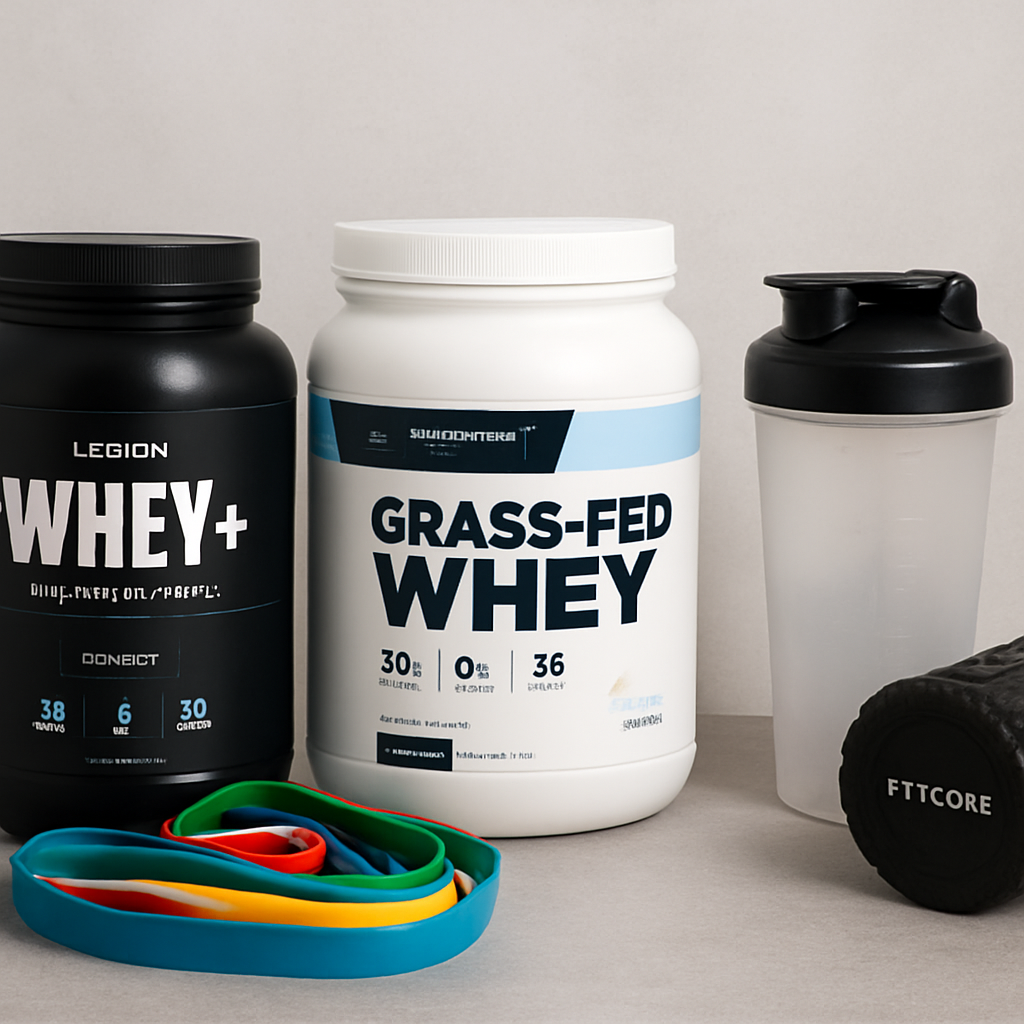
Legion Whey+ – The Clean‑Taste Champion
Legion’s Whey+ keeps popping up in tester round‑ups because it nails the sweet spot between flavor and purity. The brand proudly displays a third‑party gluten‑free seal, and each scoop drops about 26 g of protein with under 2 g of carbs. What really sets it apart is the “instant dissolve” claim – you give it a quick shake and the powder disappears without the chalky aftertaste that makes many of us cringe.
One of the testers on Garage Gym Reviews names Legion Whey+ as the best overall. Users love that the taste stays consistent whether you blend it with water, almond milk, or toss it into a morning oatmeal bowl. If you’re the type who skips a shake because it’s gritty, this might be the brand that finally sticks.
Transparent Labs 100% Grass‑Fed Whey Protein Isolate – The Purist’s Pick
If you care about where your protein comes from, Transparent Labs goes the extra mile. Their isolate is sourced exclusively from grass‑fed cattle, free of artificial sweeteners, colors, and fillers. The label proudly reads “Gluten‑Free and Non‑GMO,” and each serving provides 28 g of protein with virtually no carbs or sugar.
The company backs every claim with third‑party lab results, so you can actually see the numbers behind the badge. The powder mixes effortlessly – a quick stir in a shaker bottle yields a silky texture, perfect for adding to a post‑run smoothie or a hot cup of coffee without clumping.
All of that is laid out on Transparent Labs’ product page, which emphasizes the clean, grass‑fed profile and the absence of any gluten‑containing ingredients.
FitCore’s Own Gluten‑Free Whey Isolate – Built for the Portable Athlete
Because you’re already reading a FitCore guide, you’ve probably seen our own line of gluten‑free whey isolate tucked into the accessories section. While we can’t drop a link here, the product follows the same checklist you’ve just mastered: certified gluten‑free, 25‑27 g protein per scoop, and a flavor‑neutral base that blends with any milk alternative.
What makes our version practical for on‑the‑go athletes is the packaging – a resealable, travel‑size tub that slides into a gym bag next to your foam roller. Pair it with a quick 5‑minute roll‑out after a HIIT session and you’ve got a recovery combo that doesn’t require a kitchen.
How to Pick the Right One for You
Take a moment to ask yourself: do you prioritize taste, ingredient transparency, or convenience? If flavor is king, Legion Whey+ is a safe bet. If you’re chasing the purest, grass‑fed profile, Transparent Labs delivers. And if you need a portable option that syncs with FitCore’s recovery tools, our own isolate fits the bill.
Here’s a quick cheat sheet to compare:
- ✔️ Legion Whey+: great taste, certified gluten‑free, 26 g protein, easy mix.
- ✔️ Transparent Labs: grass‑fed, no artificial additives, 28 g protein, lab‑verified.
- ✔️ FitCore isolate: travel‑ready, 25‑27 g protein, fits your recovery kit.
Whichever you choose, the key is consistency. Log your shake, note any gut reactions, and watch how your recovery improves over a few weeks.
Ready to give one a spin? Grab a tub, shake it up, and feel the difference that a truly gluten‑free whey isolate can make in your training routine.
FAQ
What makes gluten free whey protein isolate different from regular whey?
Regular whey often comes as a concentrate that still carries a handful of carbs, lactose, and sometimes trace gluten from shared equipment. Gluten free whey protein isolate, on the other hand, goes through an extra cold‑filtration step that strips out virtually all lactose and carbs, leaving you with 90 %+ pure protein. Because manufacturers also run a dedicated gluten‑free certification, you get that extra peace of mind that no hidden wheat or barley slipped in during processing.
Is gluten free whey protein isolate safe for someone with celiac disease?
Absolutely, as long as the product displays a third‑party gluten‑free seal (like GFCO or NSF). That badge means the batch was tested and contains less than 20 ppm of gluten, which is well below the threshold that triggers a reaction in celiac patients. Still, it’s wise to double‑check the label for any “may contain” warnings and, if you’re ultra‑cautious, reach out to the brand for a recent lab report.
How much protein should I scoop into my post‑workout shake?
Most experts recommend 25–27 g of protein per serving for optimal muscle‑protein synthesis after training. That usually translates to one level scoop (around 30 g of powder). If you’re heavier, training multiple times a day, or just hungry, you can bump it up to 40 g, but keep an eye on total calories and carbs so you don’t unintentionally offset your goals.
Can I mix gluten free whey isolate with hot liquids without it getting gritty?
Yes, the high‑purity isolate dissolves nicely in both cold and warm drinks. The trick is to start with a small amount of hot liquid—say 60 ml—stir until it’s a smooth paste, then gradually whisk in the rest of the water or milk. That prevents the powder from clumping and gives you a silky texture, whether you’re sipping it in a morning coffee or a post‑run hot cocoa.
Does gluten free whey isolate still contain lactose?
It contains a tiny amount, usually less than 1 g per scoop, because the filtration removes most of the sugar found in milk. For most people with mild lactose sensitivity, that amount is harmless. If you’re highly lactose intolerant, look for a product that explicitly says “lactose‑free” or choose a hydrolyzed whey version, which breaks the remaining lactose down even further.
What’s the best time to take gluten free whey protein isolate for recovery?
The sweet spot is within 30‑45 minutes after you finish your workout, when your muscles are primed to soak up amino acids. This “anabolic window” isn’t a strict deadline, but drinking your shake sooner rather than later helps kick‑start repair and reduces muscle soreness. You can also use it as a quick protein boost on busy days when you can’t fit a full meal.
Do I need to refrigerate the powder after opening?
No, gluten free whey isolate stays stable at room temperature as long as you keep the lid tightly sealed and store it in a cool, dry place. Moisture is the real enemy—it can cause clumping or spoilage. If you live in a humid climate, a small desiccant packet in the jar or a quick toss into a zip‑top bag can keep the powder fresh for months.
Conclusion
So there you have it—gluten free whey protein isolate isn’t just a buzzword, it’s a practical tool you can slot into your daily routine without worrying about gut flare-ups.
Think about the last time you felt a bit sluggish after a shake. With a clean, high‑purity isolate you’re giving your muscles the fast‑acting amino acids they crave while keeping carbs and lactose to a minimum. That means less bloat, steadier energy, and a quicker bounce‑back for the next workout.
If you’re still on the fence, try the simple test we mentioned: scoop the recommended 30 g, mix with 200 ml of your favorite milk‑alternative, and note how you feel 30 minutes later. Pair it with a quick foam‑rolling session from FitCore and you’ve got a recovery combo that feels almost effortless.
Remember, consistency beats perfection. Log each shake, watch your recovery metrics, and adjust the timing or flavor to fit your lifestyle. Over a few weeks you’ll start to see the subtle gains—clearer digestion, stronger lifts, and that “I’m ready for round two” mindset.
Ready to make the switch? Grab a certified gluten free whey isolate, shake it up, and let the results do the talking. Your muscles—and your gut—will thank you.
And don’t forget, you can keep the powder fresh by storing it in a cool, dry place—no fridge needed, just keep the lid tight.